When Should You Use a Carpet Extractor?
Use a carpet extractor when carpet needs deep cleaning: heavy traffic lanes, pet accidents, stubborn stains or a full-room refresh. Skip it for quick spot spills or delicate rugs.
On this page (10 sections)
- What does a carpet extractor actually do?
- When is a carpet extractor the right tool?
- When should you not use a carpet extractor?
- Which jobs suit each kind of carpet cleaning machine?
- How do you prep a room before extracting?
- Which cleaning solution should you put in the tank?
- How do you use an extractor without soaking the carpet?
- How long should carpet dry, and when can you walk on it?
- What about rugs, stairs and cars?
- So when should you use a carpet extractor?
Use a carpet extractor when carpet needs deep cleaning: heavy traffic lanes, pet accidents, stubborn stains or a full-room refresh. Skip it for quick spot spills or delicate rugs.
The machine sprays a cleaning solution into the fibers, scrubs, and vacuums the dirty water back out. That makes it the right tool for dirt that has worked below the surface.
Knowing when to use a carpet extractor saves you from over-wetting good carpet and from scrubbing stains that need a different approach.
What does a carpet extractor actually do?
A carpet extractor injects a cleaning solution, agitates the fibers and extracts the dirty water in one pass. It's a deep cleaner, not a vacuum for everyday crumbs.
The cleaning head sprays solution through jets, then a brush or powerbrush works it into the pile. A strong suction motor pulls the liquid back into a dirty-water tank.
That combination is what lifts embedded soil that a regular vacuum leaves behind.
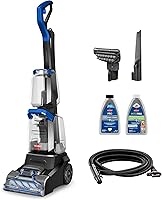
Machines differ in how much control you get. The Bissell ProHeat 2X Revolution Pet Turbo has a MAX Clean Mode for embedded dirt and stains, plus an Express Clean Mode the brand says leaves carpets dry in about 30 minutes.
The Hoover SmartWash+ Automatic uses a motion-sensing design: push forward to clean and pull back to dry, with no triggers or buttons. Both have a hose and tools for stairs and upholstery.
The key limit is moisture. An extractor puts water into the carpet, so it only suits carpets that can handle a wet clean.
When is a carpet extractor the right tool?
Reach for the extractor when dirt sits deep in the pile and normal vacuuming no longer brings the carpet back. Deep soil shows as dark traffic lanes, flattened fibers or a dull cast that stays after a vacuum pass.
It's also the tool for a full-room refresh. An extractor covers a whole room faster than a spot cleaner and gives an even result.
Pet accidents are another clear fit. Urine and vomit soak into the backing, and the hose and pet tool let you flush the area and pull the liquid back out.
An extractor also helps when odor lingers after surface cleaning.
And it's the right choice for a routine deep clean. Our guide to how often should you steam clean carpet covers a sensible schedule for most homes.
When should you not use a carpet extractor?
Don't extract when the carpet is delicate, newly laid or already wet. Water and suction can damage some fibers or leave a musty smell if the carpet can't dry.
Delicate fibers are the first warning. Wool, silk and some natural rugs need professional care or a gentler method.
Our article on can you use a carpet cleaner on area rugs explains how to check a rug before you start.
Newly installed carpet is another reason to wait. New carpet often carries a manufacturer's care instructions and a drying time you should follow.
Also skip the extractor for a single small spill. A spot cleaner or a cloth handles a fresh spill faster and with less moisture.
Save the big machine for when the dirt covers more than one spot.
Which jobs suit each kind of carpet cleaning machine?
Different jobs call for different machines. An extractor suits whole-room deep cleans, a spot cleaner suits small fresh spills, and a shampooer sits in between.
A full-size extractor handles large open floors. The Bissell ProHeat 2X Revolution Pet Turbo weighs 17.5 lb and has a 3.8 liter tank, so you can cover a room without constant refills.
It's corded, so you'll want an outlet near the room.
A compact shampooer or spot cleaner handles stairs, upholstery and tight corners. Our piece on can you use a carpet cleaner on car seats covers the upholstery side.
The Hoover SmartWash+ Automatic sits with the uprights at 18.5 lb with a 0.5 gallon tank. Its push-to-clean, pull-to-dry design removes the trigger guesswork.
Both uprights include a hose and tools, so stairs and pet spots are covered too.
How do you prep a room before extracting?
Vacuum first, move what you can, and test a hidden patch. Prep decides how well the result lasts.
Vacuum the whole area with a normal vacuum before you start. Loose crumbs and hair can clog the cleaning head and smear into the fibers.
A slow vacuum pass over traffic lanes makes the extraction more effective.
Move furniture, or place foil or plastic under legs you can't lift. Wet carpet under a heavy leg can stain or leave a mark.
Then test a small patch in a corner. Apply a little solution and check for color change or fiber damage after it dries.
If the patch looks fine, go ahead with the full room.
Which cleaning solution should you put in the tank?
Use a solution made for carpet extractors, mixed at the dose the bottle states. Too much soap leaves sticky residue that attracts dirt faster.
The Bissell Deep Clean Pro 4X Shampoo is a concentrated formula for tough ground-in dirt and stains. Bissell says it removes embedded dirt, eliminates odors and forms a protective barrier against future stains.
It's also labeled pet and family safe when used as directed. A 48 oz bottle goes a long way at the stated mix.
Match the solution to the job. A pet formula helps with odor; a general deep-clean formula suits traffic lanes.
Avoid mixing brands in one tank unless the labels allow it.
Rinse with clean water if the carpet feels tacky after drying. Residue is the main reason a freshly cleaned carpet gets dirty again quickly.
How do you use an extractor without soaking the carpet?
Go slowly in one direction and finish with dry passes. Speed and too much solution are what leave a carpet wet for a day.
Push the machine forward at a steady, slow pace so the brush and suction have time to work. Overlap each pass slightly so you don't leave stripes.
Then make a second pass without spraying to pull out more water. Our guide to how to use a carpet extractor walks through the full pass pattern.
One or two wet passes over a section is enough for most carpets. If the carpet feels squishy underfoot, stop and do dry passes until it feels damp, not soaked.
Empty the dirty tank when it reaches the fill line. A full tank loses suction and leaves water behind.
On the Bissell, Express Clean Mode is the setting for a faster dry; on the Hoover SmartWash+, the pull-back stroke does the drying.
How long should carpet dry, and when can you walk on it?
Most carpets dry in 4 to 8 hours in a warm room with airflow. Some machines speed this up; Bissell says Express Clean Mode leaves carpets dry in about 30 minutes.
Keep people and pets off the carpet until it's dry to the touch. Walking on damp carpet presses dirt back into the fibers.
Put furniture back only when the carpet is fully dry, or use protective pads under the legs.
Open windows and run a fan or dehumidifier to move air. In humid weather, allow more time.
If the carpet still feels damp after a day, run more dry passes. A musty smell means it stayed wet too long; air it out and check for moisture near the backing.
Which extractor suits most homes?
The Bissell ProHeat 2X Revolution Pet Turbo is the pick for most households. It pairs a 3.8 liter tank with MAX and Express Clean modes, and the included pet and stain tools handle stairs and accidents.
Its Dual DirtLifter Powerbrushes use 12 rows of bristles to loosen embedded dirt. HeatWave Technology helps hold water temperature through the clean.
The trade-off is weight at 17.5 lb and a cord.
Which extractor is best for simple push-and-pull cleaning?
The Hoover SmartWash+ Automatic suits readers who want less fiddling. Push forward to clean and pull back to dry, and Auto Mix dispenses the right amount of solution.
Its FlexForce Powerbrushes are designed to remove deep dirt and pet messes while staying gentle on floors. The 0.5 gallon tank means more refills on large rooms.
For hands-off cleaning, it's the easier machine to run.
What about rugs, stairs and cars?
Use the extractor on carpets it was made for, and check each surface first. The hose and tools open up stairs, upholstery and car interiors.
For stairs, use the stair tool with short passes and less solution. For rugs, check the label; many synthetic rugs are fine with a light pass.
For car seats, use the upholstery tool and test a hidden spot first. Keep the water low on any surface you can't easily dry, or it may stay damp and smell.
So when should you use a carpet extractor?
Use a carpet extractor when dirt has gone deep: traffic lanes, pet accidents, set-in stains or a whole-room refresh. Wait or use a gentler tool for delicate rugs, fresh spills and newly installed carpet.
The decision comes down to depth and moisture. Deep dirt needs the extractor's spray, brush and suction.
Small fresh spills need speed and less water. Any carpet you can't safely dry should go to a professional instead.
If you're ready to buy, the Bissell ProHeat 2X Revolution Pet Turbo is the strongest all-round pick for most homes. Choose the Hoover SmartWash+ Automatic if you want push-and-pull simplicity.
Either way, pair the machine with a proper carpet shampoo and give the room time to dry.
Frequently asked questions
How long does carpet take to dry after extraction?
Usually 4 to 8 hours in a warm room with good airflow, and longer in humid weather. Some machines have a fast-dry mode that cuts the wait; Bissell says its Express Clean Mode dries carpet in about 30 minutes.
Open windows and run a fan to speed things up.
Is a carpet extractor the same as a steam cleaner?
No. A carpet extractor sprays a cleaning solution, scrubs the fibers and vacuums the dirty water back up.
A steam cleaner uses hot vapor and very little moisture.
Extractor machines suit carpets; steam cleaners work better on hard floors and some upholstery.
How often should I extract my carpets?
For most homes, once or twice a year is enough. Add a pass in high-traffic rooms and homes with pets every 3 to 4 months.
Spot-clean spills between deep cleans so dirt doesn't set into the fibers.